
Pokies have always sat at the heart of the Aussie gambling scene, from the smoky back rooms of a Sydney RSL to the browser tabs open after knock-off on a Friday arvo. The latest twist in this long evolution is the rise of pokies with re spin mechanics.
Re spin features come in several flavours, but the core idea is simple: give the player another crack at a winning combination without a fresh bet. A scatter might trigger them, or a high-value symbol might lock in place while the rest of the board spins. The variety explains why Australian-friendly lobbies now lead with these titles rather than the old five-reel cherries-and-bars format.
What makes these mechanics sticky, so to speak, is the way they extend the suspense of a single spin. Instead of waiting for the next wager to land a feature, you watch the same reels light up again with held symbols, building tension older progressives cannot match. Operators such as Joe Fortune, one of the long-standing leaders of the Australian market, have built entire sections of their libraries around the format, banking on local appetite for re spin streaks.
For anyone who has wandered through Crown Melbourne or queued for a drink at The Star in Pyrmont, the jump from physical cabinets to browser-based play has been remarkably smooth. The sound design, the celebratory jingles, the near-miss animations – all of it has crossed over, and the re spin feature is the single biggest carry-over. It is also the reason why so many Australian players now log in from Brisbane, Hobart, or Geelong rather than driving to their local club.
How re spin features actually work on the reels
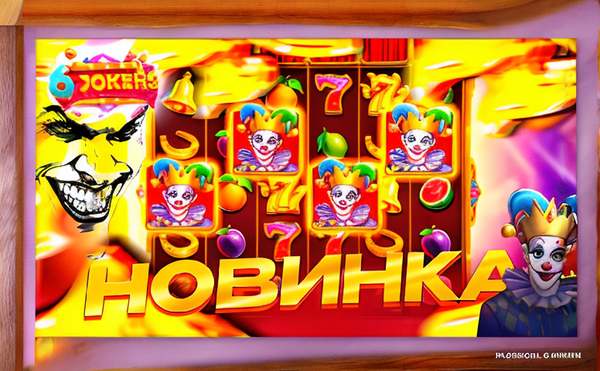
At its core, a re spin mechanic is a rule that says: don’t end the spin yet. When a triggering condition is met – three or more bonus symbols, a fully stacked wild, a coin landing on every reel position – the slot pauses the outcome and grants extra spins under modified conditions. Each variation changes the math underneath, which is why volatility ratings vary so much from one re spin title to the next.
Volatility, sometimes called variance, describes how often and how big a slot pays out. Low volatility games drip-feed small wins, while high volatility games sit quietly before dropping a chunky prize. Re spin features usually sit in the middle to high range because locked symbols concentrate win potential into a smaller number of more dramatic payouts. Chasing a re spin streak is effectively chasing a higher-variance experience than playing a classic three-reel fruit machine.
Studios use re spins to disguise the gap between base game and bonus round, so the player always feels one nudge from something bigger. Held symbols build tension through visible locks, and extra spins act as breathing room. Even empty re spins can feel like progress because the locked tiles remain on screen, promising that the next spin might be the one. A broader look at how these mechanics have spread into crash and hybrid games sits at https://chicken-road-20-au.com/aussie.
Australian research and the dissociation question
It would be easy to assume re spin mechanics are simply a product of European and American studios chasing trends, but the academic literature tells a more local story. Australian researchers pioneered early studies on pokie design and dissociation, examining how features like near-misses, losses disguised as wins, and held-symbol bonuses pull players into a trance-like state. The research gave regulators and harm-minimisation advocates the framework they still rely on today.
That research has aged remarkably well, especially when you consider how re spin features amplify exactly the patterns the early papers flagged. A held symbol is, in a sense, a perpetual near-miss: it sits on the reels, promising completion, and each new spin without a match extends the suspense. The same labs that warned about the dissociative pull of three-reel progressives have since turned their attention to modern re spin titles, landing in the same place.
For Australian regulators, this body of work has informed everything from the pre-commitment systems rolled out in New South Wales venues to the messaging requirements attached to online advertising under the Interactive Gambling Act. Players don’t need to read the papers to feel the difference. The point is that the mechanics dominating today’s lobbies weren’t invented in a vacuum, and the local research community has been staring at them, and their predecessors, for decades.
Locked reels, sticky symbols, and the rise of the bonus game
The visual language of modern pokies owes a surprising debt to televised poker. Showing viewers the players’ cards made poker gripping television, and the same principle of revealing information drives a lot of contemporary slot design. When a wild symbol locks in place during a re spin, the player sees exactly what is missing and how close they are to a big win. The reels become a kind of mini soap opera, with each spin writing a new chapter.
Studios have layered this idea over the years. Early re spin games offered a single extra spin on a single condition. Mid-generation titles introduced sticky wilds and held scatters. Today’s leading releases combine both into multi-stage features that chain several re spins into a longer sequence, with meter-filling mechanics borrowed from cascading slots. The progression mirrors what happened in the wider entertainment industry, where a single gimmick becomes a template.
For Australian players, the practical upshot is that not all re spin pokies are created equal. Some are short, punchy affairs designed to resolve in three or four extra spins. Others are extended feature rounds with their own internal logic, where the re spin is just the first step in a longer bonus ladder. Reading the paytable pays off because the bonus structure affects both hit rate and volatility.
Joe Fortune and the re spin landscape for Australian players
Online, the Australian market is served by a handful of long-running operators alongside newer entrants trying to carve out a slice of the action. Joe Fortune sits comfortably among the leaders of the Australian market, with a strong reputation among players from Sydney to Cairns and a game lobby that leans heavily into the re spin format. Here’s how it compares with a few of the other familiar names locals tend to weigh up when shopping around.
| Operator | Re spin pokies | Welcome offer | Standout |
|---|---|---|---|
| Joe Fortune | 250+ titles | Matched deposit | Aussie loyalty programme |
| Fair Go Casino | 180+ titles | Multi-deposit bonus | Cashback focus |
| Ignition | 200+ slots | Casino + poker bonus | Integrated poker room |
| King Billy | 150+ titles | Four-deposit welcome | VIP reward scheme |
| Playamo | 300+ slots | Funds + free spins | Wide studio mix |
A few caveats apply. Game counts shift as new releases drop, and welcome offers are typical rather than guaranteed. The bonus terms – wagering requirements, game weighting, expiry windows – matter more than the headline number, and players should always check the small print before committing a deposit, no matter how polished the lobby looks.
One thing that does separate Joe Fortune from a few of the newer arrivals is the depth of its re spin catalogue. Hold-and-win titles, sticky wild re spins, and the cascading re spin hybrids that have become popular over the last few years all sit in dedicated categories on the site. For Australian players who know what they want – and many do, after years of playing the format in clubs and pubs – that kind of curation makes a real difference.
Picking the right re spin pokie for your bankroll
The single biggest mistake Australian players make with re spin pokies is treating them like regular slots. The math is different, the pacing is different, and the emotional arc of a session is different. A bankroll sized for a low-volatility ten-payline classic will not last on a high-volatility hold-and-win game, even if the base game feels gentle. Size your bets so a re spin streak can run its course without forcing a top-up at the worst possible moment.
It also helps to know what kind of re spin experience you actually enjoy. Some punters like the rapid-fire of three-spin features that resolve quickly, win or lose. Others prefer the slow burn of a meter that fills over dozens of base-game spins before paying out. Both are valid, but they demand different bet sizes and tolerance for dry patches.
For anyone looking to compare notes, the Geelong Advertiser coverage of regional gambling habits offers a useful outsider perspective on how players in different parts of the country approach these games – worth a read before settling on a favourite. Otherwise, the fair go rule applies: shop around, sample a few demos, and don’t be afraid to walk away from a title that isn’t delivering. The reels will still be there next arvo.
Joe Fortune is running a matched welcome bonus for new Australian sign-ups this month, with hold-and-win titles featured in the lobby the moment you log in. Spin a few rounds, see how the locked symbols feel on a real bankroll, and remember that the best session is the one you finish on your own terms. Fair dinkum, no worries.