
I’ve spent a fair chunk of my career building pokies that run without a download, and when I look at the web3 casino gaming future now, I see the same itch being scratched in a different layer. Back when we were pushing non-download titles into pubs and clubs, the whole point was to cut the friction so a player could spin up a machine in a few seconds and get straight into it. That same practical mindset is what’s shaping the next wave of crypto-linked rooms. The tech underneath matters less than whether a bloke in regional New South Wales can log in on his phone during a lunch break, find something that feels familiar, and walk away without wrestling a clunky wallet or a half-baked interface. The real test is everyday usability, not a whitepaper promise.
How the web3 casino gaming future actually plays out at the table
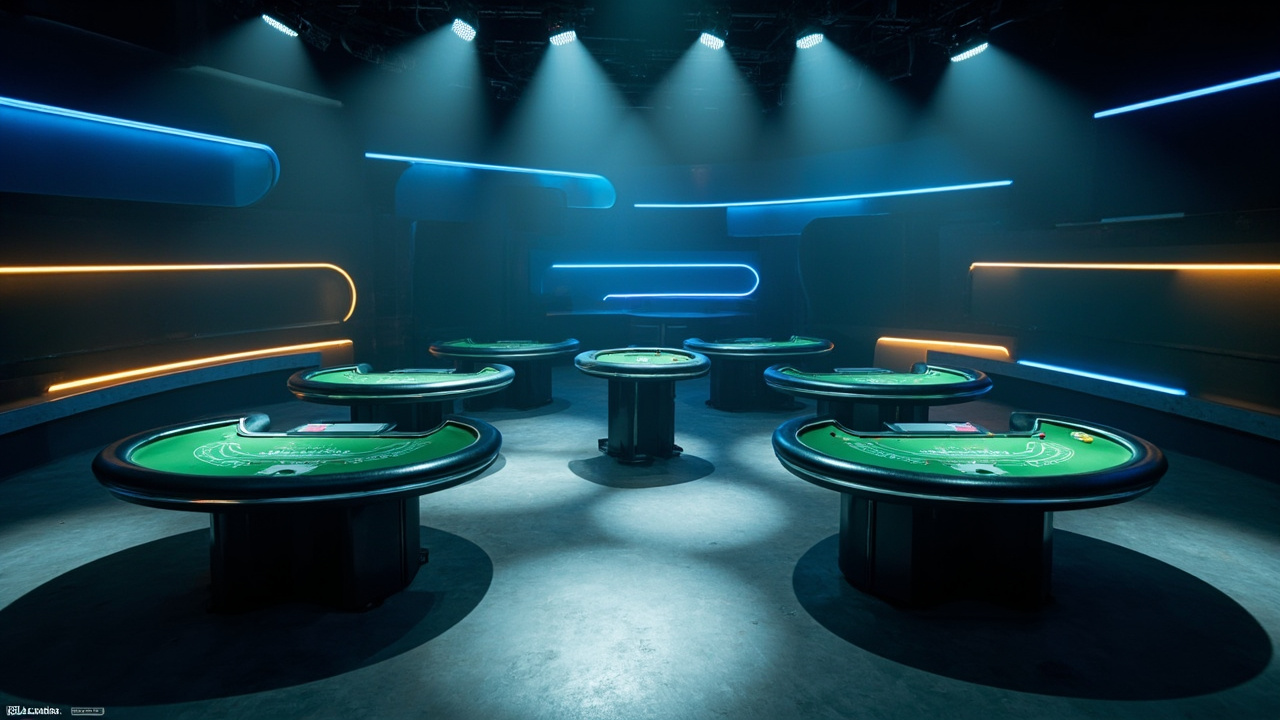
The first thing to get straight is that you’re not signing up for a science experiment. A decent room in this space keeps the front end looking like a normal casino lobby, with the crypto layer tucked behind the scenes. You register with the usual details, verify your identity properly, and fund your account with a token or a fiat on-ramp that the operator supports. From there, the session feels recognisable: you pick a game from the lobby, set your stake, and the mechanics run the same way they always have. Where the web3 casino gaming future edges ahead is in how the session settles at the end. Payouts are designed to clear faster than the old banking queues, and the ledger gives you a clear record of what moved and when. It’s not magic, and it never guarantees a result, but it does reduce the time between a winning spin and the balance actually sitting in your account. That’s the bit that matters to anyone who’s ever waited on a transfer that seemed to vanish into the ether.
A mate’s walkthrough if you’re starting from zero
If you’re completely new to this, don’t overthink it – treat it like learning a new pokies floor rather than decoding a blockchain. Step one is to pick a room that shows its licence details and support contacts up front, because anything that hides that sort of thing isn’t worth your time. Step two is to sort your funding method before you even look at the games, so you know whether you’re using a token wallet, a card on-ramp, or a direct deposit path that the operator actually supports. Step three is to spin a low-stakes round on something simple first, just to see how the bet controls, the paylines, and the cash-out button behave on your device. Step four is to keep your session limits in mind from the start, because the speed of the interface can make a quiet arvo turn into a busy one faster than you expect. Step five is to log the session details yourself – date, stake, and how the withdrawal request went – so you’ve got your own notes to compare against if anything feels off. Done properly, it’s just a structured way to play without the guesswork.
Why the mechanics and the money side have to work together
When I look at what makes a title stick, it’s never just the theme or the bonus screen – it’s whether the underlying math and the payout path line up with how people actually play. We built Megaways because players wanted more ways to hit a win without the screen becoming a mess, and that same logic applies here: a crypto-linked room only earns trust if the games feel fair, the stake ranges make sense, and the settlement doesn’t turn into a riddle. A strong web3 casino gaming future setup keeps the lobby tidy, offers a mix of providers so you’re not locked into one house style, and makes the bonus terms readable instead of buried in a wall of text. On the money side, that means clear currencies, sensible deposit and withdrawal limits, and support that answers in plain English rather than copy-pasted jargon. If the loyalty scheme is worth a crack, it should reward regular play without turning into a points maze that only makes sense to a spreadsheet fanatic. The whole thing has to feel like a room you can use on a Tuesday night, not a product pitched at a conference.
What to expect on the ground in Australia
The local scene has its own rhythm, and anyone promising this replaces the old pub and RSL pokies culture is talking through their hat. Those venues are part of the social fabric down to regional New South Wales, where a Saturday arvo at the local club is as much about the crowd as the machines. Playing online is different – it’s quieter, it’s on your own device, and it suits times when you’re not driving to a town centre or waiting on a machine that someone else has claimed. A solid web3 casino gaming future room respects that difference instead of pretending it’s the same experience. It should work properly on mobile, keep the session controls visible, and never imply that an offshore setup is licensed or regulated in Australia when it isn’t. If you’re comparing timing against notes on Perth gambling forums, where slow transfers get flagged fast, you’ll notice the same thing Australians have always wanted: a fair go, a clear set of rules, and no nonsense around how your money moves. That’s the standard worth judging any room against. goldencrown casino
The web3 casino gaming future is still settling into its shape, and the rooms that last will be the ones that keep the tech out of the way and let the play stay straightforward. For an Australian punter, that means a lobby you can read at a glance, a funding path that doesn’t turn into a side project, and a payout process you can actually track. If the mechanics feel familiar, the terms are written in plain language, and the support team answers like a person rather than a script, you’ve got a setup worth a proper look. Just keep your limits in place, treat it as entertainment first, and don’t let anyone sell you on a guaranteed outcome – the only thing that should feel smooth is the session itself.